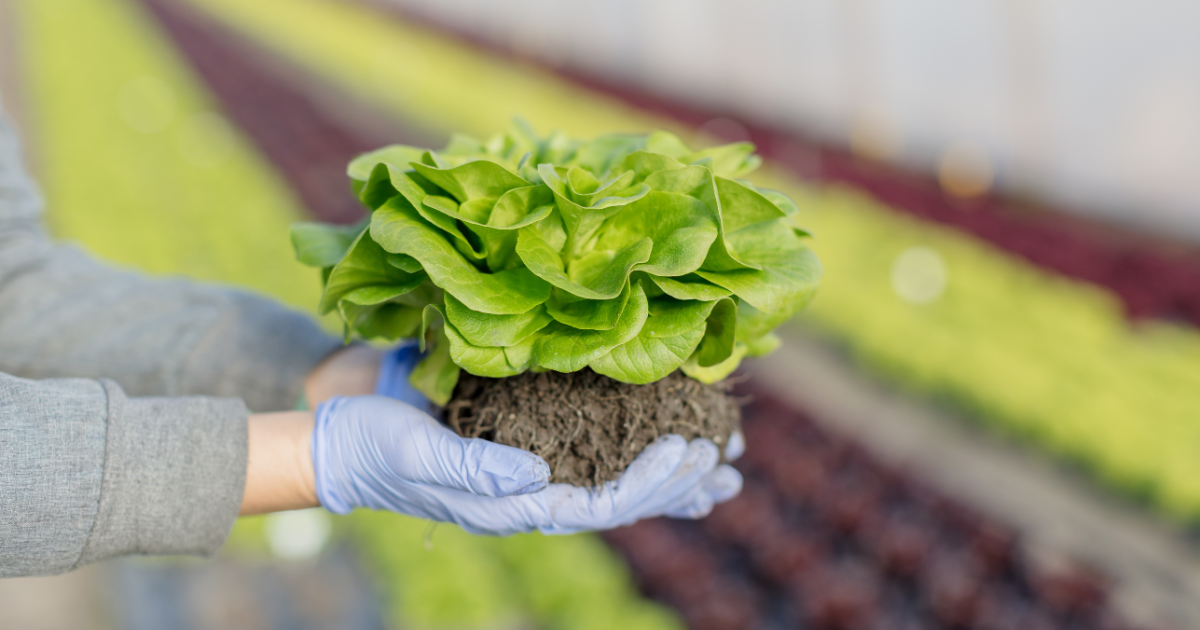
Introduction: The Rise of Organic Farming in Dubai
In the heart of the Arabian Desert, a green revolution is taking place. Dubai, once known primarily for its towering skyscrapers and luxury tourism, is experiencing a significant shift toward sustainable agriculture. The demand for locally grown organic produce has surged as health-conscious consumers, high-end restaurants, and eco-friendly retailers seek fresh, chemical-free food options. This growing market presents a unique business opportunity for entrepreneurs looking to combine environmental stewardship with profitable ventures.
The UAE imports approximately 80% of its food, creating a substantial opportunity for local organic producers to fill this gap while contributing to the nation’s food security goals. With the government’s Vision 2030 initiatives supporting agricultural innovation and sustainability, there has never been a better time to consider launching an organic farm in Dubai.
Understanding Dubai’s Agricultural Landscape
Climate Challenges and Modern Solutions
Dubai’s harsh desert climate presents obvious challenges for traditional farming: scorching temperatures that can exceed 45°C in summer, limited annual rainfall (averaging less than 100mm), and sandy soil with poor water retention properties. However, modern agricultural technologies have transformed these obstacles into surmountable hurdles:
- Controlled Environment Agriculture (CEA): Using greenhouses and vertical farming systems to create optimal growing conditions regardless of external temperatures
- Precision Irrigation: Implementing drip irrigation and hydroponics to maximize water efficiency
- Soil Enhancement: Utilizing organic compost and sustainable soil amendments to transform desert sand into fertile growing medium
- Shade Management: Strategic deployment of shade nets and structures to protect crops during peak temperature periods
These technologies allow organic farmers to successfully cultivate a wide variety of crops year-round, including leafy greens, herbs, tomatoes, cucumbers, and even certain varieties of fruits.
Regulatory Framework
Before establishing an organic farm, understanding the regulatory landscape is crucial:
- Business License: Obtain a commercial farming license from the Department of Economic Development (DED)
- Agricultural Permits: Register with the Ministry of Climate Change and Environment for agricultural permits
- Organic Certification: Achieve certification through Emirates Authority for Standardization & Metrology (ESMA) which adopts UAE.S GSO 2374 standards
- Land Acquisition: Lease agricultural land in designated farming zones such as Al Awir, Nahli, or Warsan
- Water Usage Permits: Secure permissions for water extraction or connection to municipal water systems
Planning for these requirements early in your business development process will streamline your path to operation.
Creating Your Organic Farm Business Plan
Market Research and Positioning
Successful organic farms in Dubai have found their niche by understanding their target market:
- Direct-to-Consumer: Farmers markets, subscription boxes, and on-farm sales
- B2B Supply: Hotels, restaurants, specialty grocers, and organic markets
- Value-Added Products: Processed goods like preserves, dried herbs, or organic meal kits
- Agritourism: Farm tours, workshops, and educational experiences
Research indicates that premium positioning works well in Dubai’s market, where consumers are willing to pay 30-50% more for certified organic products with transparent sourcing.
Required Investment
A mid-scale organic farm operation in Dubai requires careful financial planning:
- Land: AED 50,000-150,000 annually for 1-2 hectares (lease)
- Infrastructure: AED 300,000-700,000 for greenhouse structures, irrigation systems, and basic facilities
- Equipment: AED 100,000-250,000 for farming tools, vehicles, and technology
- Certification Processes: AED 15,000-30,000 for organic certification and related consultancy
- Operating Capital: AED 200,000-400,000 for the first year’s seeds, soil amendments, labor, and marketing
Government grants, sustainable business loans, and agricultural subsidies may be available to reduce initial investment requirements.
Implementing Sustainable Farming Practices
Crop Selection
Successful organic farms in Dubai focus on crops that:
- Thrive in controlled environment settings
- Command premium prices in local markets
- Have sufficient shelf life to reach consumers in optimal condition
Popular organic crops include:
- Leafy Greens: Kale, spinach, arugula, and various lettuce varieties
- Herbs: Basil, mint, coriander, parsley, and thyme
- Vegetables: Tomatoes, cucumbers, peppers, and eggplants
- Microgreens: High-value crops with quick turnover ideal for small spaces
- Indigenous Plants: Adapting traditional desert plants for modern cuisine
Diversification is essential for both ecological health and business stability.
Water Conservation Strategies
In a region where water is precious, successful organic farms implement comprehensive water management:
- Closed-loop Irrigation Systems: Capturing and reusing water whenever possible
- Smart Monitoring Technology: Using sensors to deliver precisely what each plant needs
- Greywater Recycling: Safely repurposing water from appropriate sources
- Rainwater Harvesting: Collecting the limited rainfall that does occur
- Drought-Resistant Varieties: Selecting crops and cultivars adapted to water limitation
A well-designed water conservation strategy can reduce consumption by up to 70% compared to conventional farming methods.
Marketing Your Organic Produce
Building Your Brand Story
Dubai consumers connect with authentic brand narratives. Your organic farm’s story should emphasize:
- Your commitment to sustainable practices
- The quality difference in your products
- The local nature of your operation
- Health and wellness benefits
- Transparency in growing methods
Visual documentation of your journey through social media has proven particularly effective in building customer loyalty.
Distribution Channels
Successful organic farms typically utilize multiple distribution channels:
- Farmers Markets: Ripe Market, Souk Al Manzil, and regular community markets
- Direct Delivery: Subscription services for weekly organic produce boxes
- Strategic Partnerships: Collaborations with health-focused restaurants and retailers
- Online Platforms: E-commerce integration with delivery services like Talabat, Careem Now, or Instashop
- Hospitality Sector: Direct supply relationships with Dubai’s extensive hotel network
Developing a hybrid approach allows flexibility as your business grows and evolves.
Case Studies: Success Stories
Desert Bloom Organic Farm
Starting with just 0.5 hectares in 2019, Desert Bloom focused on premium microgreens and specialty herbs for high-end restaurants. By investing heavily in advanced climate control technology, they were able to produce year-round despite temperature fluctuations. Their intensive social media documentation of sustainable farming practices earned them a loyal following and premium positioning. By 2024, they expanded to 3 hectares and established their own retail line in specialty stores.
Green Oasis Collective
A cooperative model bringing together five small-scale farmers, Green Oasis Collective pooled resources to achieve organic certification and marketing reach that would have been impossible individually. Their community-supported agriculture (CSA) model now serves over 500 families weekly with seasonal organic produce boxes. Their success stems from diversified production across multiple sites, reducing both pest pressure and market risk.
Challenges and Mitigation Strategies
Pest Management
Without chemical pesticides, organic farmers must implement integrated pest management:
- Beneficial insects and biological controls
- Physical barriers and traps
- Companion planting and biodiversity
- Regular monitoring and early intervention
- Climate control to reduce conducive environments for pests
Soil Health in Desert Conditions
Building healthy soil in desert conditions requires:
- Extensive composting operations
- Cover cropping when possible
- Application of organic soil amendments
- Microbial inoculants to establish soil biology
- Careful pH and nutrient balance management
Labor Considerations
Agricultural labor in Dubai presents unique considerations:
- Specialized visas for agricultural workers
- Training programs for sustainable farming practices
- Appropriate accommodations for farm staff
- Managing outdoor work during extreme temperature periods
- Building a team with shared values around organic principles
Conclusion: The Future of Organic Farming in Dubai
The convergence of increasing consumer demand, technological advancement, and government support makes organic farming in Dubai not just viable but potentially highly profitable. As Dubai continues to implement its food security strategy, local organic producers are positioned to play a crucial role in the emirate’s sustainable development.
For entrepreneurs willing to invest in knowledge, technology, and patience, organic farming represents a business opportunity aligned with global sustainability trends and local economic priorities. The seeds planted today in Dubai’s organic farming sector are likely to yield abundant harvests—both agricultural and financial—for years to come.

abhilashst
Content contributor at Fairway Business Setup.