Introduction
Dubai, with its futuristic skyline, luxurious lifestyle, and year-round tourism appeal, presents an exceptional opportunity for short-term rental entrepreneurs. The emirate welcomed over 17 million international visitors in 2024, solidifying its position as one of the world’s premier tourist destinations. This robust tourism market, combined with Dubai’s business-friendly environment, makes starting an Airbnb business an attractive investment opportunity with significant profit potential.
This comprehensive guide will walk you through everything you need to know about establishing a successful Airbnb business in Dubai, from understanding legal requirements to selecting properties and maximizing your return on investment.
Understanding Dubai’s Short-Term Rental Regulations
Before diving into the Airbnb business in Dubai, it’s crucial to understand the regulatory landscape, which has evolved significantly in recent years to accommodate the growing popularity of short-term rentals.
Legal Framework for Short-Term Rentals
Dubai’s Department of Tourism and Commerce Marketing (DTCM) oversees short-term rental operations through its “Holiday Homes” regulation system. Unlike many cities that have restricted Airbnb operations, Dubai has embraced the short-term rental market with clear regulations:
- All short-term rental properties must be licensed through DTCM
- Properties must meet specific quality standards and safety requirements
- Operators must maintain guest records for security purposes
- Tourist tax (Tourism Dirham Fee) must be collected from guests
Holiday Home License Requirements
To obtain a Holiday Home license, you’ll need:
- Property ownership documents or a NOC (No Objection Certificate) from the property owner if you’re leasing
- Trade license from the Department of Economic Development (DED)
- DTCM approval for your property
- Ejari (registered tenancy contract)
- Civil Defense approval certifying safety standards
- Utility bill connections in the operator’s name
Business Setup Options
There are two primary approaches to entering Dubai’s Airbnb market:
Option 1: Individual Operator
As an individual property owner, you can register directly with DTCM to obtain a Holiday Home license. This approach is suitable if you own just one or a few properties and want to manage them personally.
Pros:
- Lower startup costs
- Direct control over guest experiences
- No profit sharing
Cons:
- Limited scalability
- Personal time investment for management
- Full responsibility for compliance and maintenance
Option 2: Commercial Holiday Home Company
For a more scalable approach, establishing a Holiday Home management company allows you to operate multiple properties, including those owned by others.
Pros:
- Scalable business model
- Ability to create a recognized brand
- Can manage properties for other owners (earning management fees)
Cons:
- Higher startup costs (approximately AED 15,000-30,000)
- More complex licensing process
- Greater operational responsibilities
Step-by-Step Guide to Starting Your Dubai Airbnb Business
Step 1: Market Research and Business Planning
Before making any investments, conduct thorough market research:
- Analyze high-demand neighborhoods like Dubai Marina, JBR, Downtown Dubai, and Palm Jumeirah
- Study seasonal pricing fluctuations (high season typically runs October to April)
- Evaluate competition by examining existing listings on Airbnb and other platforms
- Calculate potential ROI based on occupancy rates, average nightly rates, and operational costs
Create a detailed business plan addressing:
- Target market and property positioning
- Startup and operational budgets
- Marketing strategy
- Growth projections
- Risk assessment
Step 2: Securing the Right Property
Property selection significantly impacts your success. Consider these factors:
- Location proximity to tourist attractions, business districts, and transportation
- Property type (apartments typically offer better ROI than villas for beginners)
- Amenities that attract guests (pool, gym, parking, views)
- Unit size (studios and one-bedrooms often provide higher returns per square foot)
Look for properties in buildings that explicitly allow short-term rentals, as some homeowners’ associations and developers have restrictions.
Step 3: Obtaining Necessary Licenses
For Individual Operators:
- Register with DTCM through their online portal
- Submit property documentation and floor plans
- Pay the registration fee (approximately AED 1,500)
- Schedule property inspection
- Receive your Holiday Home license (valid for one year, renewable)
For Commercial Operators:
- Obtain a trade license from DED (approximately AED 15,000)
- Register with DTCM as a Holiday Home operator
- Apply for individual property permits for each unit
- Complete property inspections
- Receive your commercial Holiday Home license
Step 4: Setting Up Your Property
Create a guest-ready property that stands out in Dubai’s competitive market:
- Furnish with quality, durable pieces that photograph well
- Design with local cultural sensitivity while maintaining international appeal
- Stock essential amenities including high-speed WiFi, kitchen equipment, and toiletries
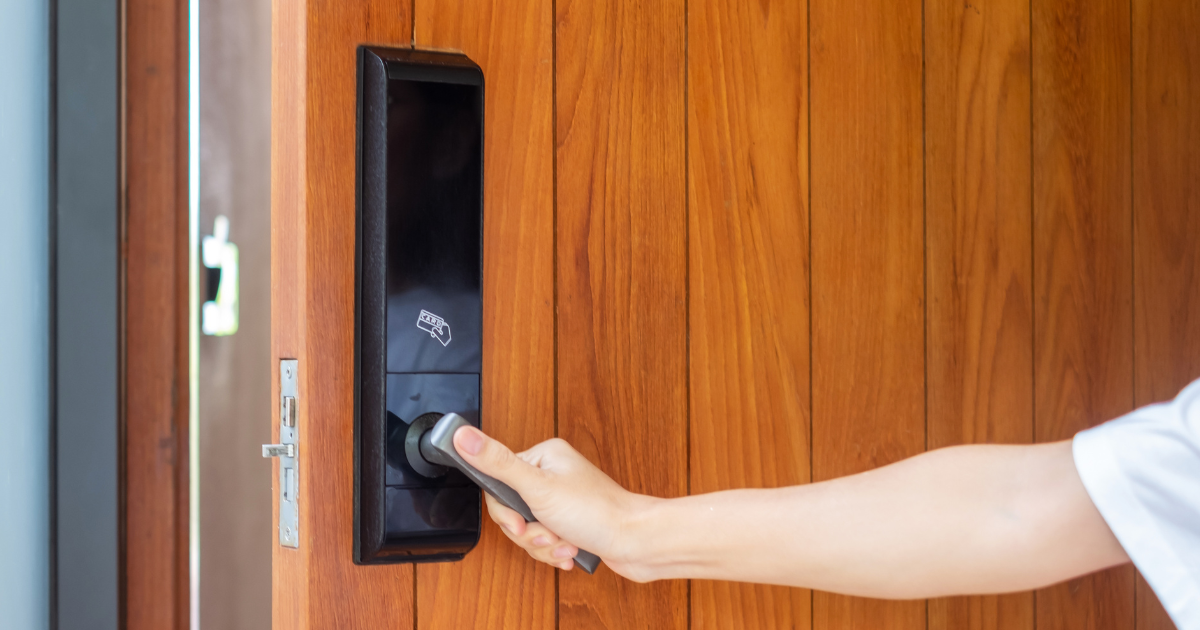
- Install smart home features like digital locks and security systems
- Create a welcome guide with property instructions and local recommendations
Step 5: Professional Photography and Listing Creation
Invest in professional photography to showcase your property effectively. When creating your listing:
- Write descriptive, keyword-rich titles and descriptions
- Highlight unique selling points and proximity to attractions
- Be transparent about house rules and expectations
- Set competitive but profitable pricing
- Enable instant booking for increased visibility
Step 6: Pricing Strategy and Revenue Management
Dubai’s rental market experiences significant seasonal fluctuations. Implement dynamic pricing strategies:
- Base rates for different seasons (high, shoulder, and low)
- Special event pricing for major conferences, holidays, and exhibitions
- Length-of-stay discounts to encourage longer bookings
- Last-minute deals to maximize occupancy
Consider using pricing optimization tools like PriceLabs or Beyond Pricing to automate adjustments based on market demand.
Step 7: Guest Management and Operational Systems
Establish efficient operational systems:
- Check-in/check-out procedures (consider keyless entry systems)
- Cleaning and maintenance schedules
- Guest communication protocols
- Emergency response plans
- Review management strategy
For properties in multiple locations, consider hiring local support staff or partnering with property management services to handle on-the-ground tasks.
Financial Considerations and ROI Expectations
Startup Costs
Budget for these initial investments:
- Licensing fees: AED 1,500-30,000 depending on business structure
- Property acquisition/lease: Variable (AED 60,000-150,000 annual rent for a one-bedroom apartment)
- Furnishing and setup: AED 25,000-75,000 depending on property size and quality
- Professional photography: AED 1,000-3,000
- Smart home technology: AED 3,000-10,000
Ongoing Operational Costs
Factor in these recurring expenses:
- License renewal fees: AED 1,000-10,000 annually
- Property maintenance: 1-2% of property value annually
- Utilities: AED 500-1,500 monthly
- Internet and entertainment subscriptions: AED 350-700 monthly
- Cleaning and turnover services: AED 150-300 per turnover
- Management fees: 15-30% of revenue if using a management company
- Platform commissions: 3-5% of booking value
Expected Returns
In well-managed properties in prime locations, you can expect:
- Average occupancy rates: 70-85% annually
- Average daily rate: AED 400-1,500+ depending on property size and location
- Gross annual yield: 6-12% (significantly higher than long-term rental yields of 4-7%)
Marketing Your Dubai Airbnb
Beyond listing on Airbnb, consider these marketing strategies:
- Multi-platform presence: List on Booking.com, VRBO, and regional platforms like Bayut
- Direct booking website: Create your own booking portal to avoid platform fees
- Social media marketing: Showcase your property on Instagram and Facebook
- Partnerships: Connect with local tour operators and corporate housing services
- Guest referral program: Offer discounts for guest referrals
Challenges and Solutions
Seasonality
Challenge: Dubai experiences low occupancy during summer months (May-September) due to extreme heat. Solution: Offer significant discounts for long-term summer stays, target business travelers, and adjust pricing expectations seasonally.
Competition
Challenge: Dubai’s short-term rental market is becoming increasingly competitive. Solution: Differentiate through unique amenities, exceptional service, specialized targeting (like business travelers or specific nationalities), and maintaining consistently high standards.
Regulatory Changes
Challenge: Dubai’s regulations for short-term rentals continue to evolve. Solution: Stay informed through DTCM updates, join local host associations, and maintain relationships with regulatory authorities.
Conclusion
Starting an Airbnb business in Dubai offers substantial profit potential in one of the world’s most exciting real estate and tourism markets. With proper planning, strategic property selection, and professional management, your short-term rental business can generate significantly higher returns than traditional long-term leasing.
The key to success lies in understanding Dubai’s unique market dynamics, maintaining high-quality standards, and adapting to seasonal fluctuations. By following the steps outlined in this guide and staying attuned to market trends, you can build a thriving Airbnb business in the City of Gold.

abhilashst
Content contributor at Fairway Business Setup.