Introduction
Dubai, with its booming tourism industry, expanding business landscape, and growing population, presents lucrative opportunities for entrepreneurs looking to enter the transportation sector. A taxi business in this vibrant city can be particularly profitable, given the constant demand for convenient and reliable transportation options. This comprehensive guide will walk you through everything you need to know about starting and running a successful taxi business in Dubai in 2025.
Understanding Dubai’s Taxi Market
Before diving into the process, it’s crucial to understand the current landscape of Dubai’s taxi industry:
- Market Size: As of 2025, Dubai’s taxi market continues to grow, serving millions of residents and over 20 million tourists annually.
- Competition: The market includes the government-operated Dubai Taxi Corporation (DTC) and several private companies operating under the Roads and Transport Authority (RTA) regulations.
- Technological Evolution: The industry has embraced digital transformation with app-based services, advanced dispatch systems, and integration with Dubai’s smart city initiatives.
- Sustainability Focus: Dubai’s vision 2030 emphasizes green transportation, creating opportunities for eco-friendly taxi services.
Legal Requirements and Licensing Process
Starting a taxi business in Dubai requires navigating specific regulatory frameworks:
Business License
- Select a Legal Structure: Choose between establishing a Limited Liability Company (LLC), sole proprietorship, or partnership.
- Local Sponsorship: As a foreign investor, you’ll need a UAE national as a sponsor who holds 51% of company shares (unless operating in a free zone).
- Initial Approval: Apply for initial approval from the Department of Economic Development (DED).
- RTA Approval: Obtain specific approval from the Roads and Transport Authority, which oversees all transportation businesses.
RTA Taxi Business Requirements
The RTA has stringent requirements for taxi operators:
- Minimum Fleet Size: Companies typically need to start with at least 20 vehicles to qualify for a taxi operator license.
- Office Space: Maintain a physical office with customer service facilities.
- Technical Requirements: Implement approved dispatch systems and tracking technologies.
- Vehicle Standards: Adhere to specific vehicle models, ages, and maintenance schedules approved by the RTA.
- Driver Requirements: Employ licensed drivers who meet RTA’s qualification criteria, including training and background checks.
Financial Investment and Costs
Understanding the financial commitment is essential for planning your taxi business:
Initial Investment
- License Fees: AED 15,000-25,000 for business license and related permits
- Vehicle Fleet: AED 75,000-150,000 per vehicle, depending on the model
- Technology Infrastructure: AED 100,000-500,000 for dispatch systems, apps, and tracking solutions
- Office Setup: AED 50,000-200,000 depending on location and size
- Insurance: AED 5,000-10,000 per vehicle annually
Operational Costs
- Vehicle Maintenance: Approximately AED 5,000-15,000 per vehicle annually
- Fuel Expenses: AED 15,000-30,000 per vehicle annually
- Driver Salaries: AED 3,000-5,000 per driver monthly
- Administrative Staff: AED 5,000-15,000 per employee monthly
- Technology Maintenance: AED 5,000-20,000 monthly
Vehicle Selection and Fleet Management
Choosing the right vehicles is critical for your business success:
Vehicle Types to Consider
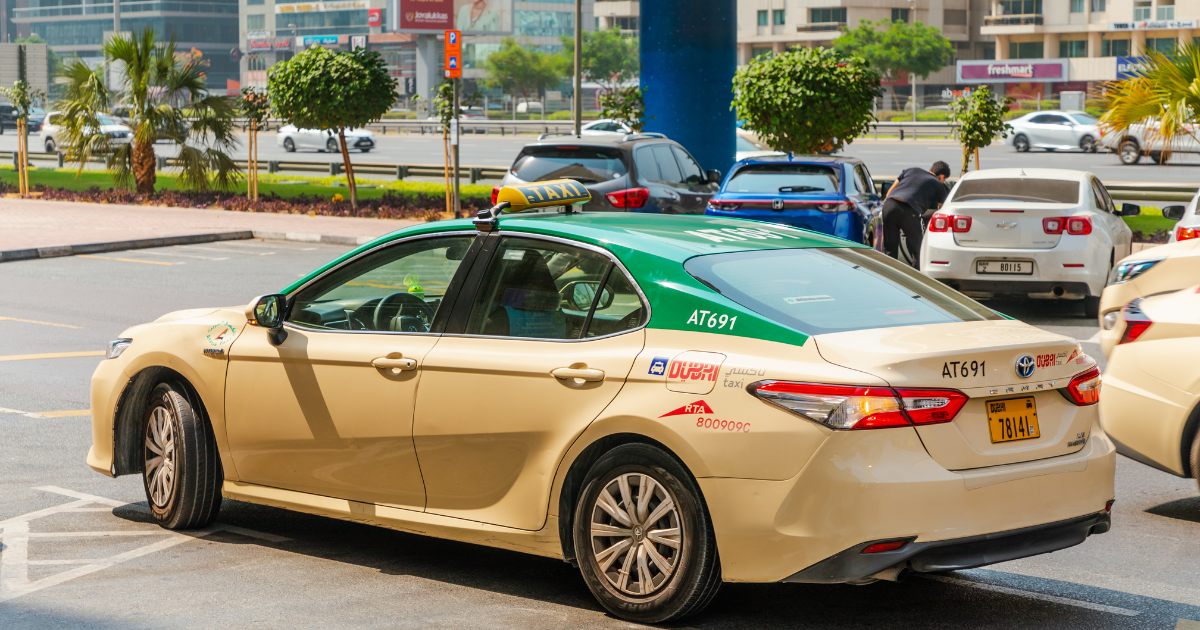
- Standard Sedans: Toyota Camry, Honda Accord, or similar models are popular choices for standard taxi services.
- Premium Vehicles: Lexus, BMW, or Mercedes options for luxury taxi services targeting corporate clients and tourists.
- Electric Vehicles: Tesla, BYD, or other electric options aligning with Dubai’s sustainability goals.
- Family Vehicles: SUVs or vans for larger groups or families with luggage.
Fleet Management Best Practices
- Implement a rigorous maintenance schedule
- Use fleet management software for tracking vehicle performance
- Establish protocols for vehicle cleaning and sanitization
- Develop a replacement strategy for aging vehicles
- Consider vehicle branding for better visibility
Technology Integration
In 2025, technology is not just an advantage but a necessity for taxi businesses:
Essential Technology Components
- Booking and Dispatch System: Implement an efficient system to manage ride requests and allocate them to drivers.
- Mobile Application: Develop a user-friendly app with features like booking, tracking, payment, and rating.
- GPS and Navigation: Equip all vehicles with reliable GPS systems for optimal route planning.
- Payment Gateway: Integrate multiple payment options including cards, digital wallets, and cryptocurrency.
- Customer Relationship Management: Implement CRM software to manage customer data and preferences.
Emerging Technologies to Consider
- AI-Powered Demand Prediction: Use artificial intelligence to forecast demand patterns.
- Autonomous Vehicle Readiness: Begin preparing infrastructure for future autonomous taxi operations.
- Smart City Integration: Connect with Dubai’s smart city platforms for enhanced service delivery.
Driver Recruitment and Management
Your drivers are the face of your business, making their selection and management crucial:
Driver Qualifications
- Valid UAE driving license with taxi endorsement
- Clean driving record
- Background check clearance
- Minimum years of driving experience (typically 2-3 years)
- Knowledge of Dubai’s geography and traffic regulations
- Customer service skills and language proficiency
Driver Management
- Provide comprehensive training programs
- Establish clear performance metrics and incentive systems
- Implement driver scheduling software
- Create channels for driver feedback and conflict resolution
- Develop career progression paths to reduce turnover
Marketing Your Taxi Business
Effectively marketing your taxi service is essential in a competitive market:
Digital Marketing Strategies
- Develop a professional website with booking capabilities
- Implement search engine optimization (SEO) for local searches
- Utilize social media platforms popular in Dubai
- Run targeted Google Ads and social media campaigns
- Leverage email marketing for corporate clients
Traditional Marketing Approaches
- Strategic vehicle branding with distinctive colors and logos
- Airport and hotel partnerships
- Corporate service agreements
- Participation in transportation and tourism exhibitions
- Local newspaper and radio advertisements
Ensuring Compliance and Quality
Maintaining regulatory compliance and service quality is vital for long-term success:
Compliance Requirements
- Regular vehicle inspections and maintenance certifications
- Driver certification renewals
- Insurance coverage verification
- Adherence to RTA service standards
- Data protection compliance
Quality Control Measures
- Implement a robust customer feedback system
- Conduct regular service quality audits
- Monitor driver performance metrics
- Analyze ride data for service improvement
- Establish a responsive customer support team
Sustainability Considerations
Aligning with Dubai’s sustainability goals can provide competitive advantages:
- Gradually transition to hybrid or electric vehicles
- Implement eco-driving training for drivers
- Adopt paperless operations
- Participate in carbon offset programs
- Highlight your environmental initiatives in marketing materials
Conclusion
Starting a taxi business in Dubai in 2025 presents both challenges and opportunities. While navigating the regulatory landscape requires careful planning and substantial investment, the potential rewards in this thriving market are significant. By focusing on technology integration, service quality, and sustainability, new entrants can carve out their niche in Dubai’s dynamic transportation sector.
Success in this industry depends on understanding the local market dynamics, meeting regulatory requirements, investing in the right technology, and building a team that delivers exceptional service. With proper planning and execution, your taxi business can become a valuable contributor to Dubai’s world-class transportation ecosystem.

abhilashst
Content contributor at Fairway Business Setup.