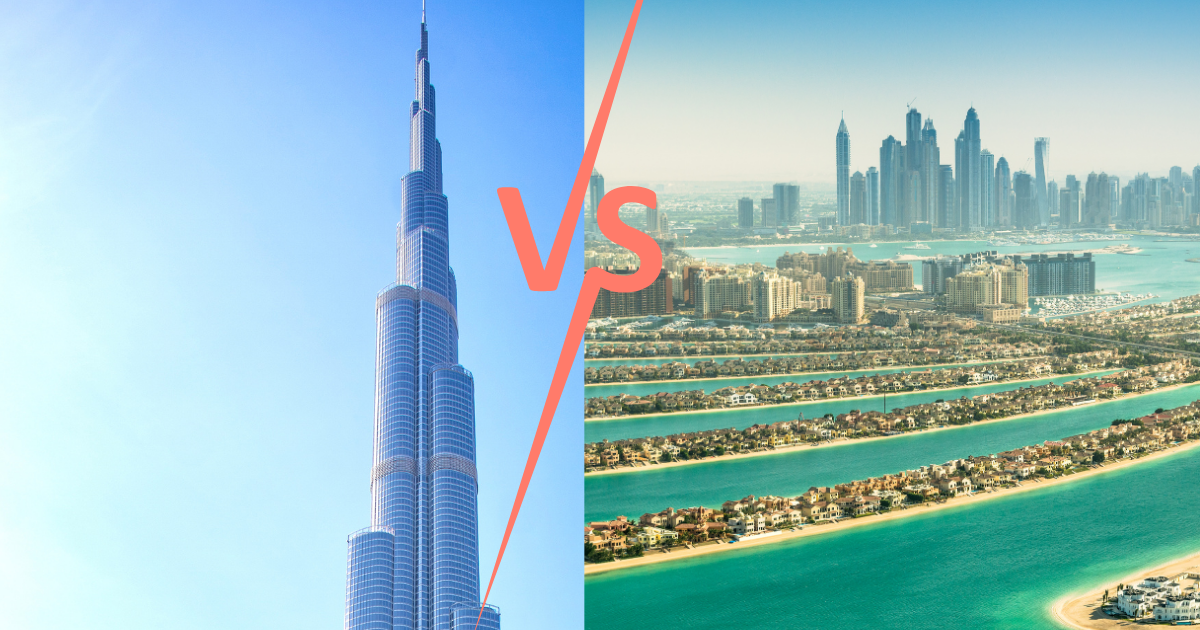
Setting up a business in the UAE is a milestone for many entrepreneurs and global companies. Dubai, in particular, is a magnet for ambitious ventures, thanks to its strategic location, robust infrastructure, and investor-friendly policies. But before jumping in, one of the most crucial decisions you’ll face is whether to establish your company on the mainland or in a free zone. Both options offer unique advantages, but the right choice depends on your business goals, industry, and target market.
Mainland vs Free Zone Companies in Dubai: What You Need to Know
Mainland companies are registered with the Department of Economic Development (DED) and can operate anywhere in the UAE and internationally. They have the flexibility to do business with government entities, local markets, and across all emirates without restrictions.
Free zone companies are incorporated within designated areas known as free zones. Each free zone is governed by its own authority and offers incentives such as 100% foreign ownership, tax exemptions, and simplified setup processes. However, traditionally, free zone companies could only operate within their zone or internationally-not directly in the UAE mainland market without a local agent or additional licensing
Ownership: 100% Foreign Ownership UAE
One of the most significant developments in UAE business law is the expansion of 100% foreign ownership. Previously, mainland companies required a local Emirati sponsor to hold at least 51% of shares. Now, most business activities on the mainland allow for full foreign ownership, leveling the playing field with free zones, which have always offered 100% foreign ownership from day one
This change means entrepreneurs no longer have to compromise on ownership when targeting the UAE’s vast local market. Both mainland and free zone setups now enable investors to retain complete control over their businesses, though some regulated sectors may still require local participation.
Tax Advantages: Corporate, VAT, and Customs
Taxation is a key factor for any business. The UAE is renowned for its favorable tax environment, but there are important distinctions between mainland and free zone companies.
Free Zone Tax Benefits
- Free zone companies can benefit from a 0% corporate tax rate on qualifying income, provided they do not conduct direct business with the UAE mainland without the proper structure.
- Many free zones are designated VAT-free areas for specific transactions, especially those involving international trade or inter-free zone activities.
- Free zone companies enjoy 100% exemption from import and export duties for goods traded within the zone or internationally, as long as products are not distributed to the mainland.
- There is no withholding tax on cross-border payments, allowing for smooth profit repatriation and international transactions.
- Full repatriation of profits and capital is permitted, and there are no currency controls.
Mainland Taxation
- Mainland companies are subject to UAE corporate tax laws, including the new federal corporate tax regime. However, the UAE’s corporate tax rate remains low compared to global standards, and there are various exemptions and incentives depending on the business sector.
- VAT at 5% applies to most goods and services, including those sold in the local market.
- Mainland companies can also repatriate profits and capital freely, and there are no restrictions on currency usage.
Personal Income Tax
- Across both mainland and free zone setups, the UAE does not impose personal income tax on salaries, dividends, or business earnings, making it highly attractive for business owners and employees alike.
Operational Flexibility and Local Market Access in Dubai
Mainland Companies
- Mainland businesses can operate anywhere in the UAE, including free zones, and can serve the local market directly. This makes them ideal for retail, hospitality, construction, and any business that requires a physical presence or direct customer interaction in Dubai or other emirates
- Mainland companies can bid for government contracts and participate in public sector projects, a significant advantage for certain industries.
- There are no restrictions on the number of visas a mainland company can obtain, provided they have sufficient office space
Free Zone Companies
- Free zone entities traditionally faced restrictions on doing business with the UAE mainland. To sell products or services locally, a free zone company would need to appoint a local distributor or agent, or establish a branch on the mainland.
- However, a landmark resolution in 2025 now allows free zone companies in Dubai to expand into the mainland, provided they obtain the necessary licenses from the Dubai Department of Economy and Tourism (DET). This regulatory shift increases operational flexibility and opens new avenues for growth, though additional licensing and compliance are required.
- Free zones are ideal for international trade, e-commerce, logistics, and industries that do not require direct access to the local market
Business Activities and Industry Focus
Mainland companies have access to over 2,000 business activities, ranging from trading and manufacturing to professional services and beyond. This diversity makes the mainland attractive for businesses with broad ambitions or those targeting multiple sectors.
Free zones often cater to specific industries, such as technology, finance, healthcare, or media. This specialization means that companies benefit from tailored infrastructure, sector-specific regulations, and networking opportunities within their industry cluster
Office Space and Physical Presence
Mainland companies must lease a physical office space registered with Ejari and meet the requirements of relevant authorities. This is essential for obtaining trade licenses and visas, and is often a prerequisite for certain business activities.
Free zone companies have more flexibility, with options for physical offices, flexi-desks, or even virtual offices, depending on the zone and business type. This can reduce setup costs and streamline operations, especially for startups or remote businesses.
Visa Eligibility and Staffing
Mainland companies enjoy greater flexibility in obtaining employee visas, with no strict upper limit as long as office space is adequate. This is beneficial for businesses planning to scale their workforce quickly.
Free zone companies may face restrictions on the number of visas, often tied to the size of their office space or flexi-desk arrangement. For small teams or solo entrepreneurs, this is usually sufficient, but larger operations may need to consider these limits when planning for growth.
Compliance, Auditing, and Regulatory Requirements
Mainland companies are required to undergo annual financial audits and comply with UAE’s regulatory framework, including the Department of Economic Development, Labour Ministry, and other relevant bodies. This ensures transparency and accountability, particularly for businesses seeking to build credibility or attract investment.
Free zone companies may have varying audit requirements depending on the zone and business activity. Some free zones require annual audits, while others do not, offering more flexibility for smaller or less regulated businesses.
Cost Considerations
The cost of setting up and maintaining a business in the UAE varies depending on the jurisdiction, business activity, and office space requirements.
- Mainland company setup costs typically start at AED 20,000 to AED 25,000, with additional expenses for office space, licensing, and government approvals.
- Free zone company setup can be more affordable, with packages starting as low as AED 11,900 in some zones, especially for startups or companies opting for flexi-desk solutions.
It’s important to factor in ongoing costs such as license renewals, visa fees, and compliance expenses when making your decision.
Recent Regulatory Changes: Greater Flexibility for Free Zone Companies
Major update in 2025 now allows Dubai free zone companies to operate on the mainland, provided they secure the necessary DET licenses. This development blurs the traditional boundaries between the two setups, offering unprecedented flexibility for businesses looking to expand their reach within Dubai and the UAE.
This regulatory shift is part of the Dubai Economic Agenda (D33), which aims to double the city’s economy by 2033 and solidify its position as a leading global business hub.
Making the Right Choice: Mainland or Free Zone?
Choosing between a mainland and free zone setup depends on your business priorities:
- If direct access to the UAE’s local market, government contracts, and unlimited operational flexibility are essential, a mainland company is often the best fit.
- If you prioritize 100% foreign ownership, tax advantages, streamlined setup, and international trade, a free zone company is highly attractive-especially with new regulations allowing for mainland expansion with proper licensing.
Both options now offer 100% ownership UAE, strong tax advantages, and the potential for robust growth. The decision ultimately comes down to your business model, target market, and long-term strategy.
Conclusion
The UAE continues to evolve as a global business destination, offering unparalleled opportunities for entrepreneurs and corporations alike. Whether you choose a mainland or free zone setup, you’ll benefit from a world-class infrastructure, pro-business policies, and a vibrant, multicultural environment.

abhilashst
Content contributor at Fairway Business Setup.