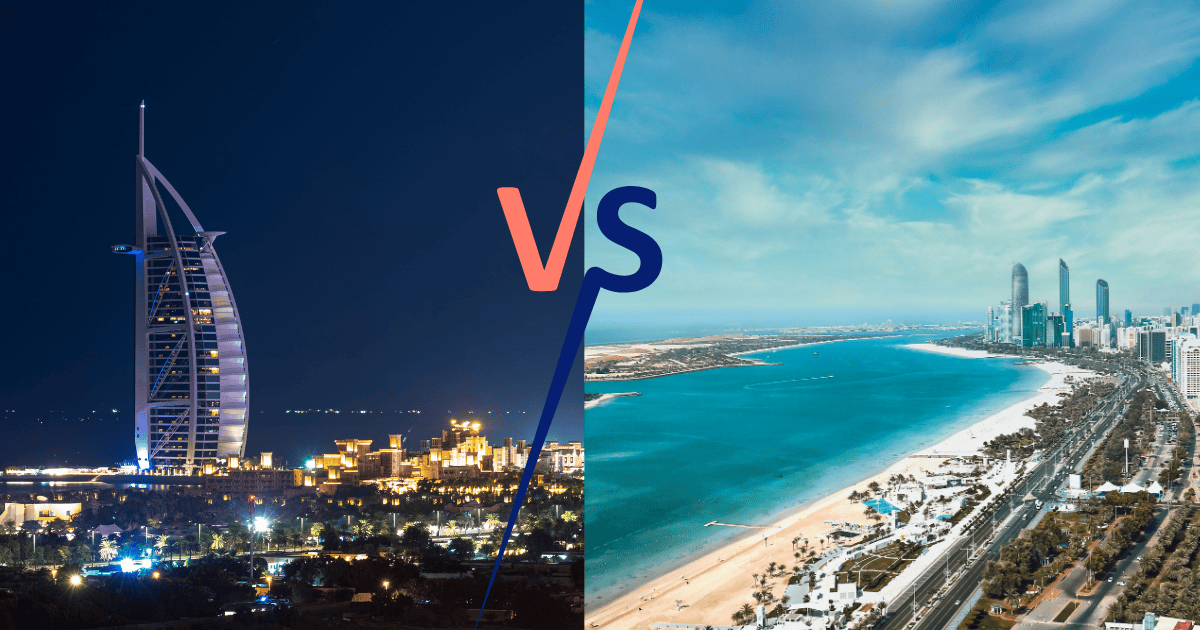
Key Differences Between Free Zone and Offshore Companies in Dubai
Choosing between setting up an Offshore Company in Dubai and establishing a Free Zone entity can have a major impact on your business strategy. An Offshore Company in Dubai is ideal for businesses focused on international trade, asset protection, and tax efficiency, without needing a physical presence in the UAE. On the other hand, a Free Zone company allows for easier access to local resources, office space, and hiring, with 100% foreign ownership and streamlined business operations.
Understanding the differences in legal frameworks, operational flexibility, and market access is essential to selecting the right structure for your business objectives.
What is a Free Zone and Offshore Company in Dubai?
When it comes to Dubai business setup, entrepreneurs often find themselves choosing between offshore and free zone companies. Both offer distinct advantages, but they serve different purposes and come with their own sets of rules.
An offshore company in Dubai is designed primarily for international business or asset holding. It allows for full foreign ownership, ensures privacy, and typically comes with zero or minimal taxation. Offshore companies are not permitted to conduct business within the UAE; their operations must remain outside the country. This structure is ideal for those seeking confidentiality, tax efficiency, and a straightforward setup process without the need for a physical office or local sponsor.
On the other hand, a free zone company is established within a specific geographic area-known as a free zone-inside the UAE. Free zones are tailored for various industries, offering 100% foreign ownership, attractive tax exemptions, and simplified registration processes. While free zone companies can operate internationally and within their designated free zone, direct business with the UAE mainland requires a local distributor or special permissions.
Taxation: Where Do You Save the Most?
Taxation is a major factor influencing business setup decisions. Dubai’s offshore and free zone structures both offer significant tax benefits, but the details differ.
Offshore companies in Dubai enjoy some of the most favorable tax conditions available. Typically, there is no corporate tax, no personal income tax, and no requirement to pay VAT on income earned outside the UAE. This makes offshore entities particularly attractive for international trading, holding intellectual property, or managing global assets.
Free zone companies also benefit from substantial tax incentives. Most free zones offer zero corporate tax for a set period (often 15–50 years, renewable), no personal income tax, and exemptions from customs duties on imports and exports within the free zone. However, if a free zone company does business with the UAE mainland, VAT and other taxes may apply, and compliance with additional regulations is necessary.
Operational Flexibility: How Much Freedom Do You Need?
Operational flexibility is another key consideration. Offshore companies in Dubai is designed for simplicity and minimal on-the-ground requirements. There’s no need for a physical office in Dubai, and ongoing administrative obligations are limited. This structure is well-suited for businesses that don’t require a presence in the UAE, such as holding companies, investment vehicles, or firms managing international contracts.
Free zone companies, by contrast, offer a balance between flexibility and regulatory oversight. They must maintain a registered office within the free zone-this can range from a small flexi-desk to a full-scale office, depending on the business’s needs. Free zone companies can hire staff, obtain UAE residence visas for employees and shareholders, and access a range of business support services. This makes them ideal for startups, SMEs, and larger enterprises looking to establish a physical presence in Dubai and benefit from its business-friendly environment.
Free Zone vs Offshore: Ownership and Legal Compliance
The legal structures of offshore and free zone companies are made to their intended operations, with free zone setups often linked to eligibility for a Dubai Free Zone visa.
Offshore companies are governed by specific offshore authorities, such as the RAK International Corporate Centre. They are not subject to the UAE’s commercial company laws and enjoy a high degree of privacy. There are generally no minimum capital requirements, and the company can be owned entirely by foreign shareholders. Offshore companies in Dubai cannot obtain UAE residence visas for their owners or employees, nor can they directly own operational assets within the UAE, except for certain types of real estate in designated areas.
Free zone companies, on the other hand, are regulated by the respective free zone authorities. They must comply with the rules and regulations of their specific free zone, which may include minimum capital requirements, annual audits, and ongoing reporting. However, free zone companies can obtain UAE residence visas, own assets within the free zone, and enjoy full foreign ownership without the need for a local partner. This structure provides greater integration with the UAE’s legal and business infrastructure.
Local Market Access in Dubai: Who Can You Do Business With?
Access to Dubai’s vibrant local market is a decisive factor for many entrepreneurs.
Offshore companies are strictly prohibited from conducting business within the UAE. Their activities must be confined to international markets, making them suitable for businesses focused on global trade, asset holding, or investment management. Offshore companies can own shares in other UAE companies or hold real estate in certain cases, but they cannot engage directly with customers or suppliers in the local market.
In contrast, Free Zone companies allow 100% foreign ownership, offer easier access to local infrastructure and workforce, and may be permitted to trade within the UAE under certain conditions. Understanding the differences in legal structure, operational scope, and market access is crucial to choosing the setup that aligns with your business goals.
Free zone companies, while enjoying more operational freedom, also face restrictions. They can operate freely within their designated free zone and conduct international business. However, to trade directly with the UAE mainland, they must appoint a local distributor or agent, or set up a branch office in the mainland. This limitation is important for businesses that plan to target Dubai’s domestic market or work closely with local clients and suppliers.
Dubai Business Setup: Which Structure Aligns with Your Goals?
Choosing between an offshore and a free zone company comes down to your business objectives.
If your primary goal is to manage international operations, protect assets, or benefit from a tax-efficient structure without the need for a physical presence in Dubai, an offshore company is likely the best fit. Offshore entities are particularly popular among consultants, international traders, and holding companies seeking confidentiality and ease of administration.
If you want to establish a physical presence in Dubai, hire staff, access UAE residence visas, and benefit from the city’s world-class infrastructure, a free zone company is the way to go. Free zones are especially attractive for startups, SMEs, and businesses in sectors like technology, media, logistics, and manufacturing. They offer a supportive environment, networking opportunities, and streamlined processes for company formation and growth.
Costs, Reputation, and Expansion
Cost is always a factor in business decisions. Offshore companies in Dubai typically have lower setup and ongoing costs, as there’s no need for office space or extensive regulatory compliance. Free zone companies may incur higher expenses due to office requirements, licensing fees, and compliance obligations, but these costs are often offset by the benefits of local presence and access to support services.
Reputation is another aspect to consider. Free zone companies are generally viewed as more transparent and integrated with the UAE’s business ecosystem, which can enhance credibility with partners, clients, and banks. Offshore companies, while offering privacy, may face greater scrutiny from international banks and regulatory authorities, especially in light of global efforts to combat money laundering and tax evasion.
Finally, think about your long-term plans. Free zone companies offer more flexibility for future expansion within the UAE, including the possibility of opening branches or converting to a mainland company if your business grows. Offshore companies are more limited in this regard, as their activities must remain outside the UAE.
Making Your Decision: Questions to Ask Yourself
- Do you need to hire staff and obtain UAE residence visas?
- Is your target market inside or outside the UAE?
- How important are tax savings and confidentiality to your business?
- Are you planning to hold assets or conduct international trade?
- What is your budget for setup and ongoing operations?
Answering these questions will help clarify which structure-offshore or free zone-best aligns with your business goals.
Conclusion
Dubai offers a wealth of opportunities for entrepreneurs and businesses, but the right company structure is key to unlocking your potential. Offshore companies in Dubai provide unmatched tax efficiency, confidentiality, and simplicity for international operations, while free zone companies offer a gateway to Dubai’s dynamic business environment, with the ability to establish a physical presence and access local support.

abhilashst
Content contributor at Fairway Business Setup.